How to Fix Cannon Safe Keypad Not Working
Your Cannon safe keypad suddenly stopped responding, leaving you locked out of your firearms and valuables. This frustrating scenario affects thousands of safe owners annually, with battery issues accounting for 70% of all keypad failures. The good news? Most problems have simple DIY solutions that take minutes to resolve.
This guide walks you through proven troubleshooting steps, from quick battery fixes to advanced diagnostics. You’ll learn to decode error messages, prevent future failures, and decide when professional help makes sense. By the end, you’ll know exactly how to get your Cannon safe keypad working again without damaging your security system.
Replace Dead Batteries First
Battery failure causes 70% of keypad malfunctions in Cannon safes. Before attempting complex repairs, start with fresh alkaline batteries.
Remove Old Batteries Safely
Open the battery compartment inside your safe door. Remove all four AA batteries, noting the + and – orientation for reinstallation. Look for white or green corrosion on the metal contacts—this crusty buildup blocks power flow. If you see significant corrosion, wear gloves and eye protection before handling.
Clean Battery Terminals
Use a cotton swab dipped in isopropyl alcohol to scrub corrosion from both the battery contacts and compartment walls. Dry thoroughly with a clean cloth before proceeding. Never use water or household cleaners, as they can cause further damage to the electrical components.
Install New Alkaline Batteries
Insert four new AA alkaline batteries (Energizer or Duracell recommended). Never use rechargeable batteries—their lower voltage causes erratic operation. Test the keypad immediately after installation. If the keypad still doesn’t respond, check that you’ve inserted all batteries with correct polarity (+ and -).
Pro tip: Replace batteries every 6-12 months regardless of performance to prevent future lockouts. Keep spare batteries in your emergency kit.
Decode Error Code Patterns
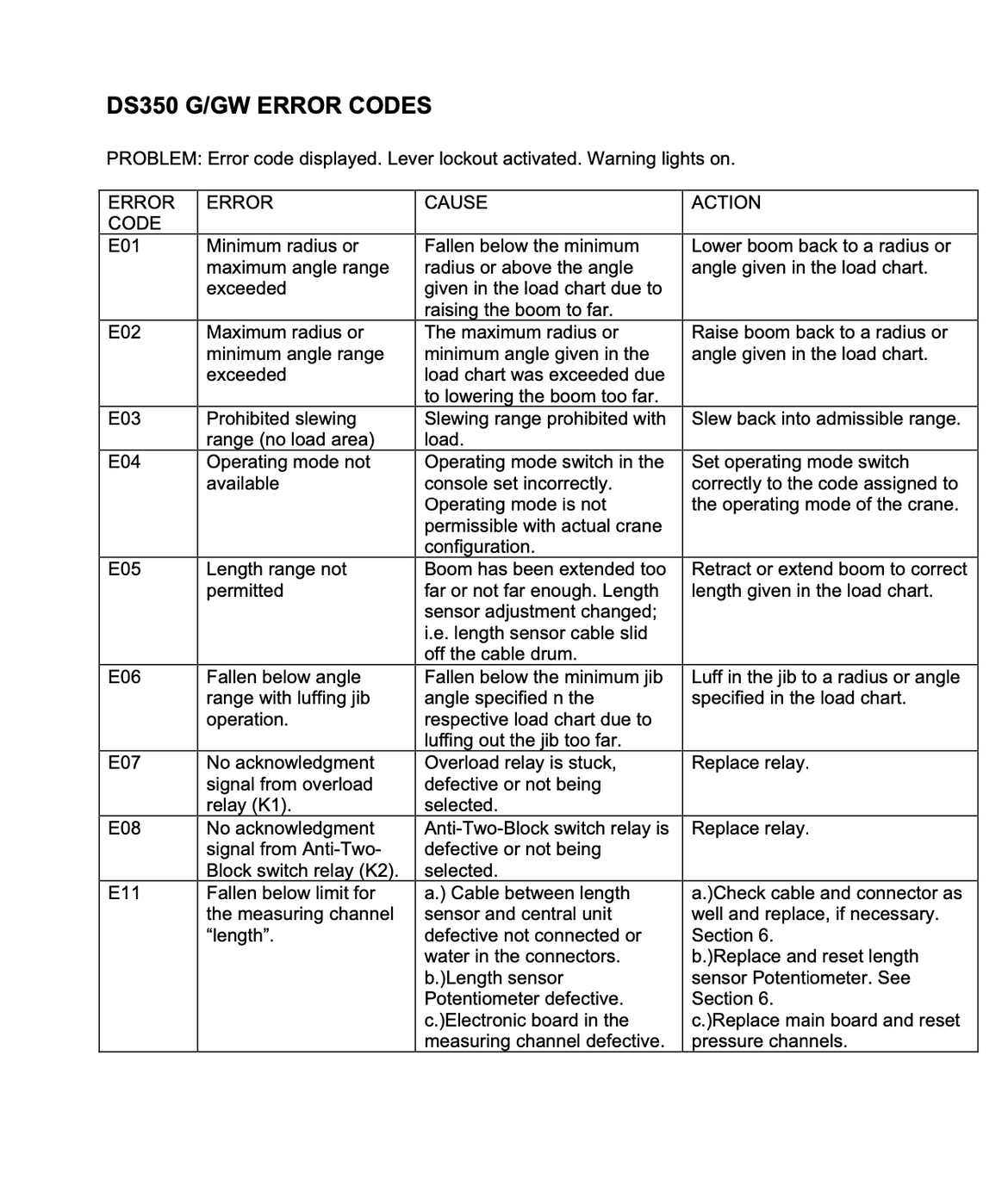
Cannon safes display specific error codes when problems occur. Understanding these messages saves hours of troubleshooting.
E-1 Code: Low Battery Warning
This appears 2-3 weeks before complete failure. Replace batteries immediately when you see E-1—waiting risks a complete lockout. The keypad may still function but with reduced reliability.
E-2 Code: Lockout Mode
After five wrong code attempts, the safe locks for 15 minutes. Wait for automatic reset, then enter your correct combination. Do not attempt to force entry during this period, as it can trigger additional security measures.
E-3 Code: Memory Error
Indicates internal programming corruption. Remove batteries for 30 minutes, reinstall, then use your factory reset code. This often happens after power interruptions or voltage fluctuations.
E-4 Code: Motor Stall
The motor tries but can’t move the bolts. Check for bolt obstruction or door misalignment. You might hear a straining sound from the motor when entering your code.
E-5 Code: Keypad Communication Failure
The keypad can’t talk to the control board. This usually requires ribbon cable reseating or keypad replacement. If you see this error after battery replacement, the connection likely became loose during the process.
Fix Unresponsive Key Buttons
When specific buttons stop working while others function normally, the keypad membrane has likely failed.
Test Each Button Individually
Press every button while listening for the confirmation beep. Document which buttons lack audible feedback or feel different when pressed. Pay special attention to high-use numbers like 1, 2, and your code digits.
Clean Keypad Surface
Remove surface dirt using a soft cloth slightly dampened with isopropyl alcohol. Avoid excessive moisture that could seep inside. Gently wipe around button edges where debris accumulates. Let the surface dry completely before testing.
Replace Keypad Assembly
For consistent button failures, order replacement part Cannon S-8-E (standard) or S-12-E (backlit). Installation requires removing four interior screws and reconnecting one ribbon cable. Before starting, write down your access code and keep it outside the safe.
Stop Intermittent Keypad Operation
Temperature changes and humidity cause 25% of intermittent failures. These issues worsen gradually, eventually leading to complete failure.
Check for Moisture Damage
Look for condensation inside the battery compartment or fogging under the keypad. This indicates moisture infiltration through keypad edges or mounting screws. If you find moisture, dry the area completely before proceeding with repairs.
Apply Desiccant Packs
Place 2-3 silica gel packets inside the safe door cavity near the electronic components. Replace these quarterly in humid climates. You can reactivate used packets by baking them at 200°F for 2 hours.
Seal Entry Points
Use clear silicone caulk around keypad edges where it meets the safe door. This prevents future moisture infiltration without affecting operation. Apply a thin bead and allow 24 hours to cure before using the keypad.
Reset Electronic Lock System

When electronic components become confused, a complete reset often restores normal operation.
Perform Factory Reset
- Remove all batteries for 30 minutes
- Press and hold the small recessed reset button (near battery compartment) for 3 seconds
- Wait for two confirmation beeps
- Reinstall fresh batteries
- Enter your factory code (found in original documentation)
Warning: This erases all custom access codes. Have your master code ready before starting.
Reprogram Access Codes
After reset, program your preferred access code following these steps:
– Press and hold “0” until you hear two beeps
– Enter your new 3-8 digit code
– Press “#” to confirm
– Test the new code three times before closing the safe
Access Safe Without Keypad
https://www.cannonsafe.com/manual-override-key-access-systems
Emergency access prevents permanent lockout when electronic systems fail completely.
Locate Manual Override Key
Never store the override key inside your safe. Common hiding spots include magnetic boxes under furniture, with trusted family members, or in secure lockboxes. If you’ve lost your key, contact Cannon Safe directly with your serial number.
Use Hidden Keyhole
Remove the keypad by taking out four interior screws. Behind the keypad, you’ll find the manual keyhole. Insert the override key and turn clockwise to unlock. If the key turns but bolts don’t move, you may have a mechanical issue requiring professional help.
Alternative Emergency Methods
If the override key is unavailable:
– Contact Cannon Safe at 1-800-242-1055 with your serial number
– Hire a certified safe technician (expect $150-$300)
– In extreme cases, locksmiths can drill the lock (damages the safe)
Prevent Future Keypad Failures
Proactive maintenance eliminates 90% of common failure modes before they occur.
Monthly Maintenance Tasks
- Test every keypad button for proper response
- Check battery level indicator if equipped
- Clean keypad surface with soft, dry cloth
- Verify smooth door operation
Quarterly Deep Maintenance
- Replace batteries regardless of condition
- Inspect terminals for early corrosion
- Test manual override key operation
- Check all mounting bolts for tightness
Annual Professional Check
Schedule yearly inspection with a certified safe technician for:
– Locking mechanism lubrication with graphite-based lubricant
– Bolt channel cleaning to prevent binding
– Electronic component testing
– Fire seal inspection
Key Takeaway: Cannon safe keypad failures usually stem from simple issues—dead batteries, loose connections, or minor corrosion. Start with battery replacement and work through systematic diagnostics before considering expensive repairs. Regular maintenance prevents most problems, while keeping your override key accessible ensures you’re never permanently locked out.
For persistent issues after trying these solutions, Cannon’s customer service at 1-800-242-1055 can provide model-specific guidance and warranty support. Remember that most keypad problems have straightforward fixes—you don’t need to replace your entire safe when a $5 battery or $20 keypad repair will restore full functionality.