How to Fix AMSEC Safe Keypad Not Working
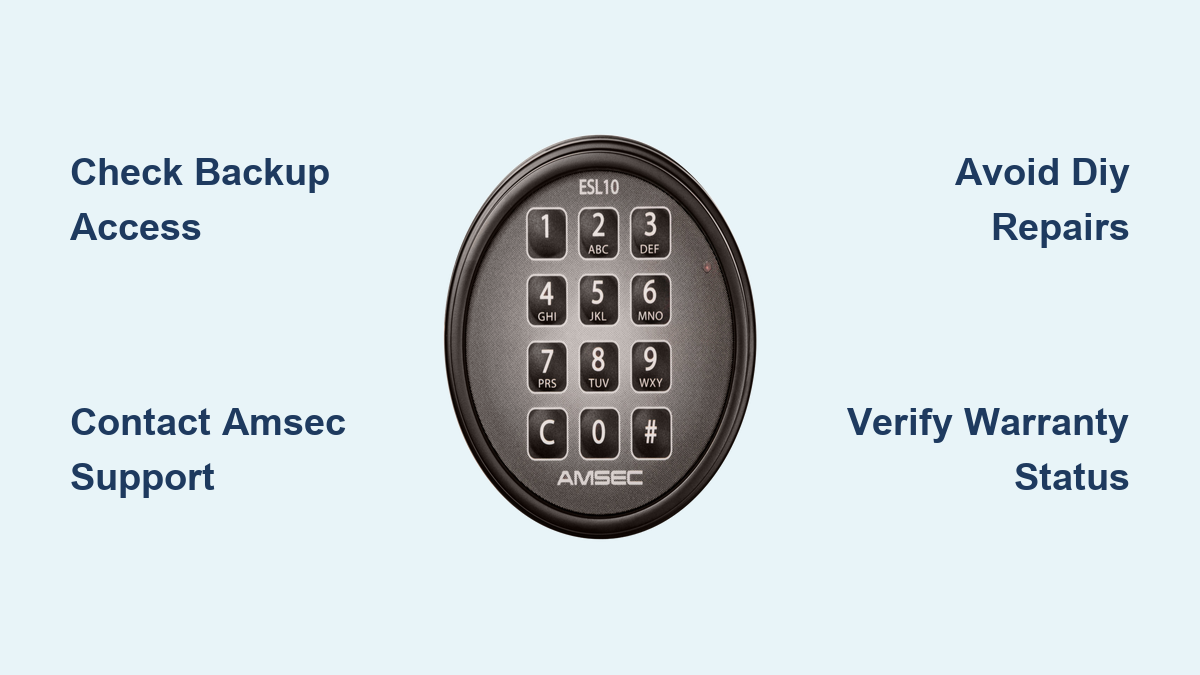
Your AMSEC safe keypad suddenly went dead, and now you’re staring at an unresponsive panel with no way to access your important documents or valuables. This frustrating situation affects safe owners nationwide, leaving many wondering if they’ve permanently lost access to their secured items. Before you panic or call an expensive locksmith, it’s critical to understand that safe keypad issues require specific, manufacturer-approved approaches—not guesswork.
When your AMSEC safe keypad fails, the stakes are high. Unlike a locked car door or jammed file cabinet, a malfunctioning safe keypad can completely block access to irreplaceable items. The good news is that AMSEC designs their safes with multiple access methods, but attempting unverified fixes could permanently lock you out or compromise your safe’s security rating. This guide explains what you can safely do when facing keypad issues with your AMSEC safe.
Understanding AMSEC Keypad Limitations
Why Generic Safe Repair Advice Doesn’t Apply
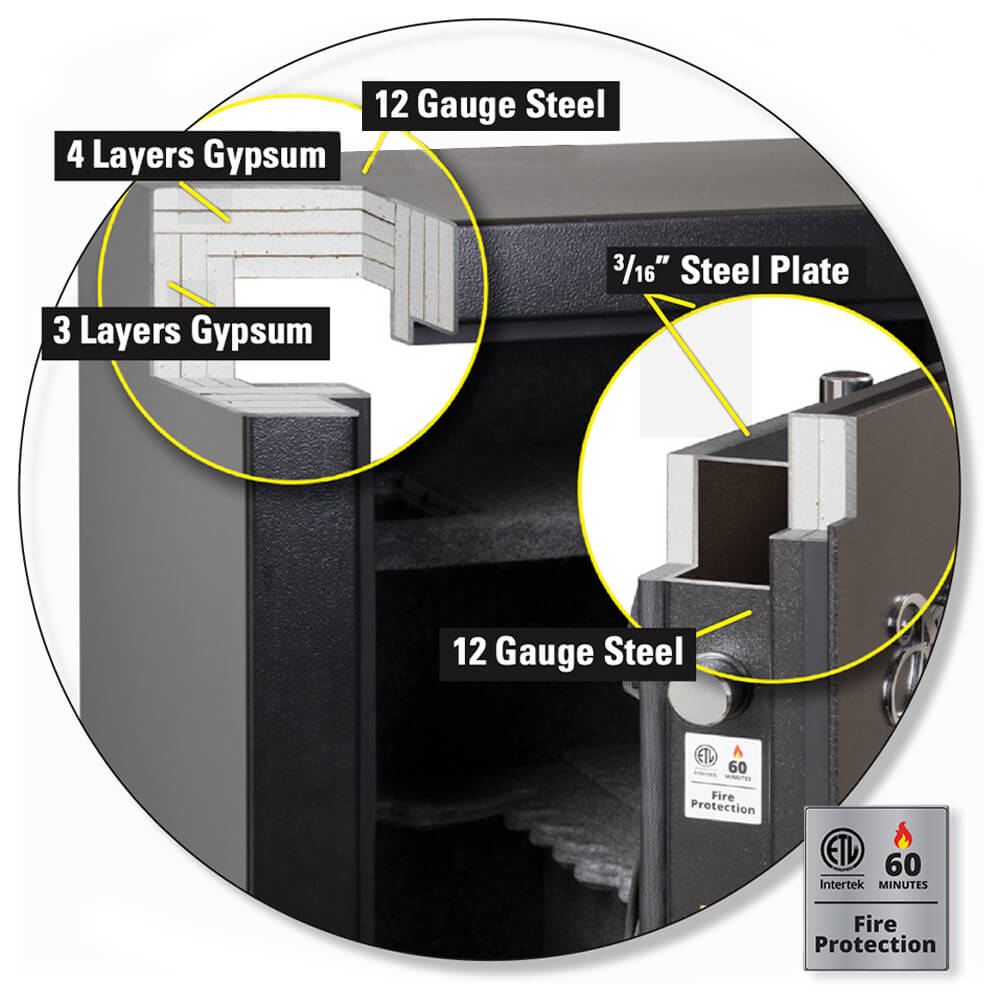
AMSEC safes operate under strict UL certification requirements that differ significantly from consumer-grade safes. Standard “safe hacking” videos or generic keypad troubleshooting won’t work on AMSEC models because their electronic locks incorporate anti-tamper features that trigger permanent lockouts after too many failed attempts. What might work on a cheap home safe could permanently disable your AMSEC’s locking mechanism.
Manufacturer-Specific Security Protocols
AMSEC keypads integrate with mechanical lock components through proprietary communication protocols. Without access to AMSEC’s technical documentation—which isn’t publicly available—diagnosing electronic issues properly is impossible. Unlike household electronics, safe keypads don’t follow standard circuit designs where online tutorials might help. Each model series (ESL, SFL, etc.) has unique circuitry that requires factory-specific knowledge to service correctly.
Immediate Actions When Keypad Fails

Check for Physical Access Methods
Before assuming electronic failure, verify if your AMSEC safe has alternative access points. Most commercial-grade AMSEC safes include:
– A mechanical override keyhole (often hidden behind a removable panel)
– A backup mechanical dial (on certain models)
– Emergency battery terminals (typically on the bottom of the safe)
These features vary by model and installation type, so consult your original documentation rather than making assumptions. Never force access points, as AMSEC’s anti-drill plates can permanently damage tools and lock mechanisms.
Document Exact Failure Symptoms
AMSEC technical support will need precise information to help you:
– Is the keypad completely dark or showing partial display?
– Do any buttons register at all?
– Are there any beeps or error indicators?
– How long has the issue been occurring?
Avoid describing symptoms as “the keypad is broken”—instead, note specific behaviors like “the display shows ‘E1’ but doesn’t accept any input” or “only the top row of buttons responds.” This specificity helps AMSEC determine if it’s a simple battery issue or requires professional service.
Official AMSEC Support Resources
Contacting AMSEC Directly
For verified assistance with keypad issues, AMSEC provides:
– Technical support line: 800-421-6144 (Monday-Friday, 8AM-5PM PST)
– Email support: techsupport@amsec.com
– Online resources: amsec.com/support
When calling, have your safe’s serial number ready (typically on a label inside the door or on the back panel). AMSEC can identify your exact model and provide model-specific guidance that won’t risk triggering security lockouts.
Finding Authorized Service Providers
AMSEC maintains a network of certified technicians who:
– Have factory training on specific lock mechanisms
– Use genuine AMSEC replacement parts
– Maintain UL certification after service
– Can reset electronic components properly
Use AMSEC’s official dealer locator at amsec.com/dealer-locator rather than searching “AMSEC repair near me,” as unauthorized technicians may lack proper training and could void your warranty. Most certified dealers offer emergency service for lockout situations.
Critical Safety Considerations
Why DIY Repairs Risk Permanent Lockout
AMSEC keypads contain security features that:
– Trigger automatic lockouts after 3-5 failed attempts
– Require proprietary reset sequences
– Monitor for voltage irregularities
– Detect tampering attempts
Attempting to replace batteries incorrectly or force-reset the system could activate these security protocols, making professional access more difficult and expensive. What seems like a simple fix might actually trigger a 24-72 hour mandatory lockout period built into the safe’s programming.
Warranty Implications of Unauthorized Service
Most AMSEC safes carry 1-5 year warranties that:
– Become void if non-certified technicians service the lock
– Exclude damage from improper battery replacement
– Don’t cover issues from environmental factors (moisture, temperature)
– Require documentation of authorized service
Before attempting any fixes, check your warranty status. A $200 professional service call might save thousands in replacement costs if your safe is still under warranty.
Preventing Future Keypad Failures
Proper Battery Maintenance
AMSEC recommends:
– Using only specified battery types (typically lithium or alkaline)
– Replacing batteries annually regardless of usage
– Storing spare batteries properly (not inside the safe)
– Checking battery contacts for corrosion during replacement
Unlike consumer electronics, safe keypads draw minimal power until activated, so “dead battery” symptoms might actually indicate connection issues rather than power loss. Only AMSEC technicians can properly diagnose these nuances.
Environmental Protection Measures
To extend keypad life:
– Maintain stable temperature (60-80°F ideal)
– Control humidity with desiccants
– Avoid direct sunlight exposure
– Keep the keypad clean and dry
AMSEC keypads are designed for indoor use only—exposure to moisture or temperature extremes can cause permanent damage not covered by warranty.
When Professional Service Is Mandatory

Recognizing Unfixable Issues
Certain symptoms require immediate professional attention:
– Continuous beeping with no display
– Visible smoke or burning smells
– Physical damage to the keypad housing
– Corrosion around battery terminals
– Error codes not documented in your manual
These indicate serious electrical issues that could compromise your safe’s fire rating or security features. Continuing to attempt access might create safety hazards beyond simple lockout.
Understanding Service Timelines
Authorized AMSEC service typically involves:
1. Verification of safe ownership (to prevent theft)
2. Diagnosis by certified technician
3. Parts ordering if needed (genuine AMSEC components)
4. On-site service or safe transport to service center
5. Post-service security validation
Emergency lockout service often takes 24-48 hours, so having a documented backup access plan is crucial for business safes containing time-sensitive materials.
Final Takeaway: When facing AMSEC safe keypad issues, your safest course is always direct contact with AMSEC support or an authorized service provider. Unlike household electronics, safe keypads contain critical security components where incorrect handling can permanently disable access or compromise protection ratings. Keep your original documentation and serial number in a secure off-site location, and consider adding mechanical access methods during your next service visit for emergency situations. Remember that patience with the official support process will ultimately save time, money, and stress compared to risking permanent lockout through unverified fixes.