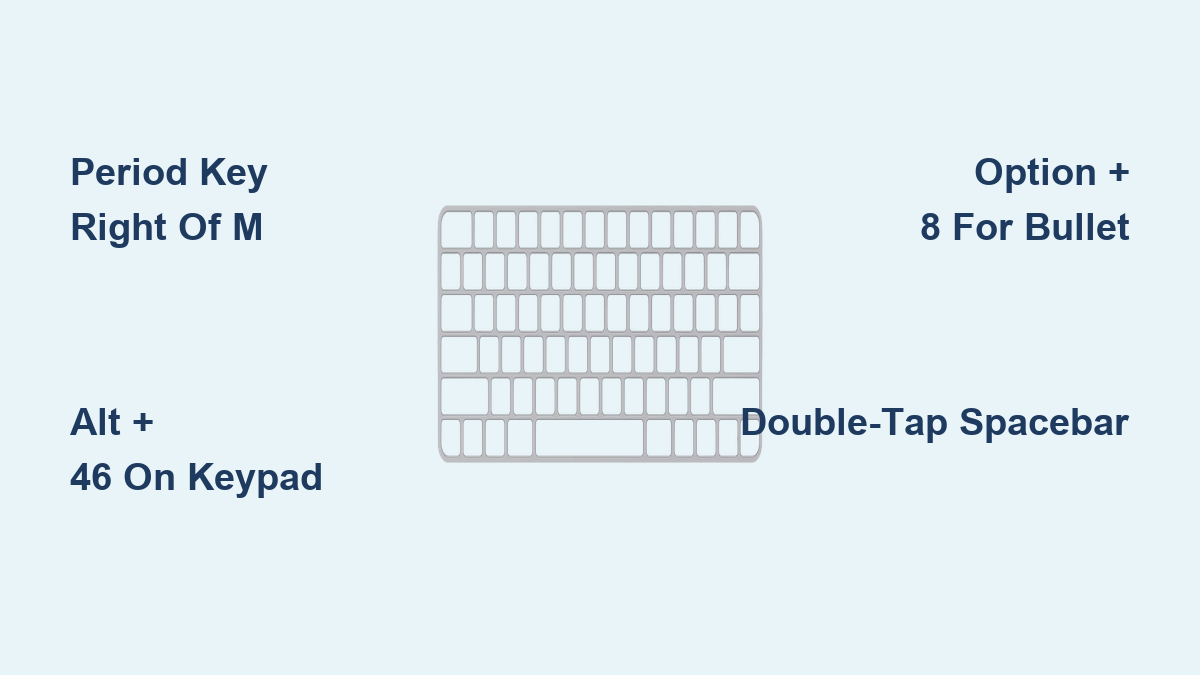
How to Make a Dot on Keyboard
You’re typing an email when you suddenly can’t find the dot key. Your finger hovers over the keyboard, scanning rows in frustration. This common problem affects Windows, Mac, and mobile users daily—especially when switching between devices or international layouts. Knowing exactly how on keyboard make dot saves critical time whether you’re finishing an urgent document or coding a website. You’ll discover foolproof methods for standard periods, bullet points, and ellipses across all platforms. No more guessing games: we’ll pinpoint physical key locations, hidden shortcuts, and fixes for when your keyboard outputs strange symbols instead of simple dots.
Most users don’t realize their keyboard has multiple dot variations beyond the standard period. Programmers need precise decimal points, designers require bullet points for lists, and writers use ellipses for dramatic pauses. The solution isn’t one-size-fits-all—it depends on your OS, keyboard layout, and even language settings. By the end of this guide, you’ll type dots instantly on any device, troubleshoot layout conflicts, and leverage advanced Unicode options. Let’s solve this universal typing headache once and for all.
Find the Dot Key: Right of M on Every Standard Keyboard
Look immediately to the right of your “M” key—that’s where the standard period hides on all QWERTY keyboards. You’ll see a key labeled with both “.” and “>” symbols. Press it once without modifiers for a clean period. This location never changes whether you’re using Windows, Mac, or Linux desktops.
Critical visual cue: The dot appears as the unshifted character (bottom symbol), while “>” shows above it. If you accidentally hit Shift instead, you’ll get a greater-than symbol—which breaks email addresses and code. For rapid typing, hold the key to generate multiple dots like “……” for emphasis.
Why German and French Keyboards Hide the Dot
German QWERTZ layouts force you to press Shift + comma key for periods because commas take the unshifted position. French AZERTY users face identical behavior—periods require Shift activation on the semicolon key. This trips up travelers and multilingual typists constantly. If your keyboard suddenly outputs commas instead of dots, flip layouts in system settings or memorize this workaround: always add Shift when targeting the comma key.
3 Windows Ways to Type a Dot (No Modifier Keys Needed)

Press the period key right of “M” for instant results—no Alt or Ctrl required. This works identically whether you’re using a budget laptop or mechanical gaming keyboard. For users with numeric keypads, enable Num Lock first, then tap the decimal key (bottom-right of the keypad) as a reliable backup.
Fix Alt Code Failures in 10 Seconds
When the main key sticks, use Alt + 46 on your numeric keypad. Common mistakes include:
– Using top-row numbers instead of the numeric pad (it won’t work)
– Forgetting to enable Num Lock (check keyboard LED indicators)
– Releasing Alt before typing “46” (hold Alt until both digits register)
This method bypasses sticky physical keys entirely. If you get a “4” instead of a dot, toggle Num Lock and retry.
Mac Dot Shortcuts: Option Keys for Bullet Points & Ellipses
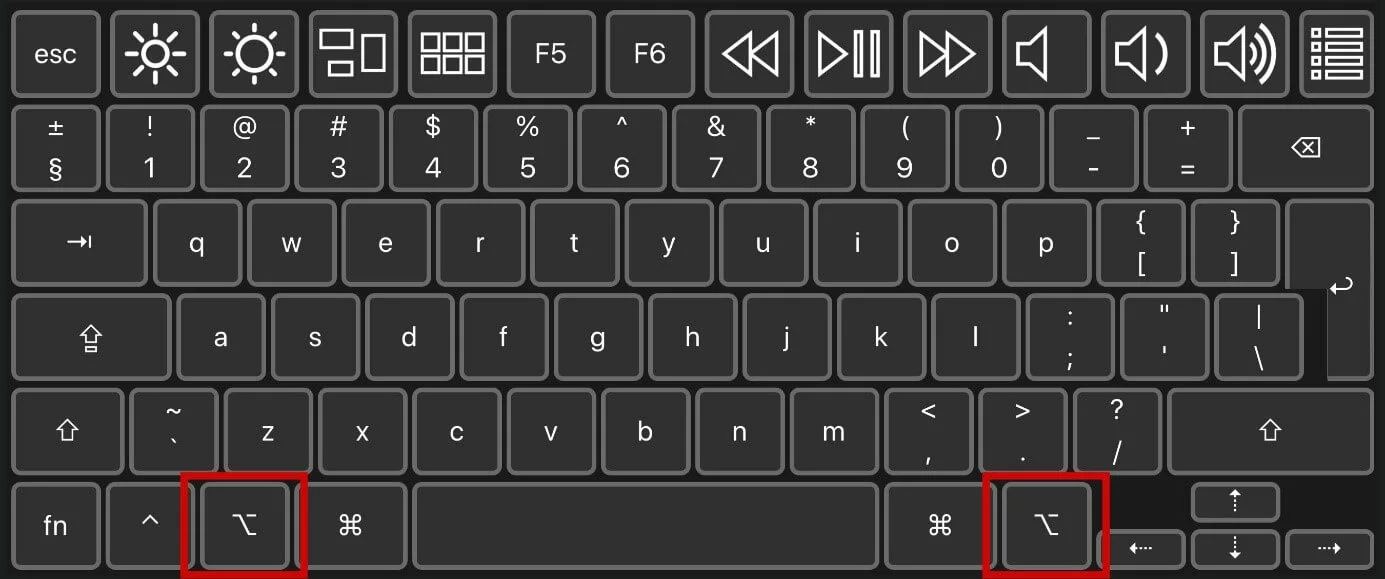
Mac users get bonus dot variations through Option key combos. Press the standard period key (right of “M”) for basic periods. For professional typography:
– Option + 8 = • Bullet point (perfect for resumes)
– Option + ; = … Ellipsis (replaces three dots with one clean character)
These shortcuts work universally in Pages, Word, and coding apps.
Access Hidden Dots via Character Viewer
When you need obscure symbols like the multiplication dot (⋅), open Control + Command + Space. Search “period” to instantly see all dot variants. Double-click any symbol to insert it—no memorization required. This bypasses layout limitations on international keyboards.
Linux Period Input: Unicode and Terminal Methods
Linux follows standard key placement—press the period key right of “M” for immediate results. When GUIs fail, Unicode entry delivers precision:
1. Press Ctrl + Shift + U
2. Type 002E (standard period)
3. Hit Enter
For bullet points, replace “002E” with “2022”. This works in terminals and code editors when physical keys malfunction.
Avoid Common Unicode Pitfalls
New users often miss the final Enter press after typing codes, leaving “u002e” visible on screen. Always confirm with Enter—not space—to convert codes to actual dots. For scientific notation, use 22C5 for the multiplication dot (⋅) in LaTeX documents.
iPhone and Android: Double-Tap Space for Instant Dots
Mobile users waste seconds switching to symbol keyboards—stop it now. On iOS, enable Settings > General > Keyboard > “.” Shortcut. Then double-tap the spacebar after any word to auto-insert a period. Android Gboard users get the same feature under Settings > Text Correction > Double-tap Space to Period.
Fix Missing Mobile Period Keys
If your period key vanished after an update:
1. Tap the “?123” key to open symbols
2. Locate the period in the bottom row (left of “0”)
3. Long-press for quick-access domains like .com
Samsung users may need to swipe left on the symbol row to reveal hidden punctuation.
German and French Keyboards: Why Shift+Comma Makes Dots

QWERTZ (German) and AZERTY (French) layouts relocate the period to the comma key. Shift + comma produces dots while unshifted creates commas. This causes critical errors when typing email addresses—like “name@gmaillcom” instead of “gmail.com”.
Switch Layouts Without Rebooting
When stuck on a foreign keyboard:
– Windows: Press Win + Space to cycle layouts
– Mac: Click menu bar flag icon > select “U.S.”
– Linux: Use Super + Space shortcut
Add a space after periods to force standard output if switching isn’t possible.
Fix Missing Dots: Stop Accented Characters on US International
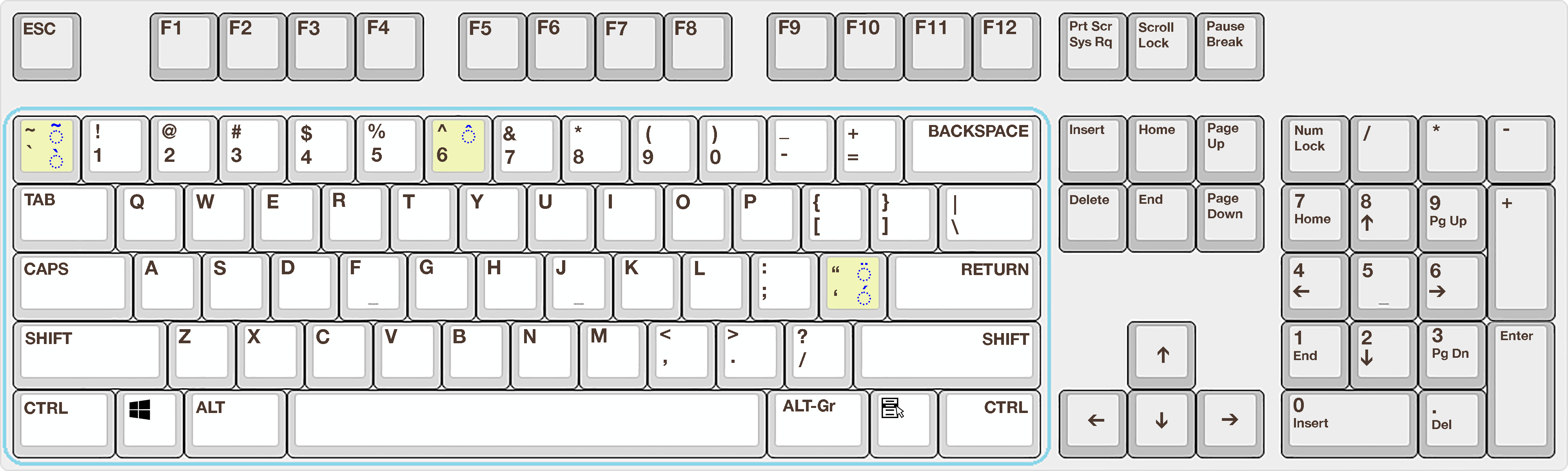
The US International layout turns periods into accent triggers. Type . + c to get “ç” instead of “c.” This breaks coding and email addresses. Two instant fixes:
1. Press period + space before letters (e.g., “Mr. [space] Smith”)
2. Disable the layout entirely via system settings
Never use this layout for programming—stick with standard US QWERTY.
Beyond the Period: Middle Dots and Bullet Points in Typing
Standard periods (.) work for sentences, but professionals need specialized dots:
– Middle dot (·): U+00B7 for chemistry formulas (H₂O·H₂O)
– Bullet point (•): U+2022 for clean lists
– Ellipsis (…): U+2026 for trailing thoughts (not three dots)
These prevent formatting errors in published work.
When to Use Scientific Dots
Programmers and engineers require precise symbols:
– Dot operator (∙): U+2219 for vector math
– Multiplication dot (⋅): U+22C5 in equations
Typing “x * y” with asterisks looks unprofessional—use dots for technical accuracy.
Why Dots Break Code: Periods in File Extensions and Domains
Missing periods crash systems faster than you think. File extensions like “.txt” and domain names like “example.com” fail with spaces or commas. In coding:
– Object notation: user.name breaks if typed as user name
– Version numbers: “v2.1.3” becomes invalid as “v2 1 3”
Always verify periods in paths—especially when copying URLs.
Accessibility Fixes for Motor Impairments
Voice control users say “period” or “dot” to insert characters. Switch devices can map a single button to period output. Remap keys via:
– Windows: PowerToys Keyboard Manager
– Mac: System Preferences > Keyboard > Modifier Keys
– Linux: xmodmap configuration files
Dot Key Cheat Sheet: Print This for Every Keyboard Layout
Bookmark these universal solutions:
– Standard method: Period key right of “M” (all desktops)
– Windows Alt code: Alt + 46 (numeric pad only)
– Mac bullet point: Option + 8
– Mobile shortcut: Double-tap spacebar after words
– German/French fix: Shift + comma key
When international layouts confuse you, revert to the physical key location—it never changes. For rare symbols, memorize Ctrl + Shift + U followed by the Unicode (e.g., 002E for standard dot). Test each method before critical tasks to avoid last-minute formatting disasters.
Prevent future dot disasters: Set your OS to US QWERTY if you primarily type English. Disable “US International” layout—it causes more problems than it solves. For mobile, activate the double-space period shortcut immediately. Keep this guide bookmarked for quick reference when switching devices. Master these techniques, and you’ll never hunt for the dot key again—whether you’re drafting a novel or debugging code. The solution to how on keyboard make dot is always one keystroke away.